Where our work began

Our Farm & Training

Before Strides Foundation was a registered organization, it was a working farm. For over five years, we've run an integrated farm in The Gambia that brings three things together: raising animals, farming tilapia, and growing vegetables, so that waste from one becomes an input for the next. It's a simple idea that takes real discipline to run well, and it's taught us most of what we know about sustainable food production in the Gambian context.

How the system works

Three parts, working as one.
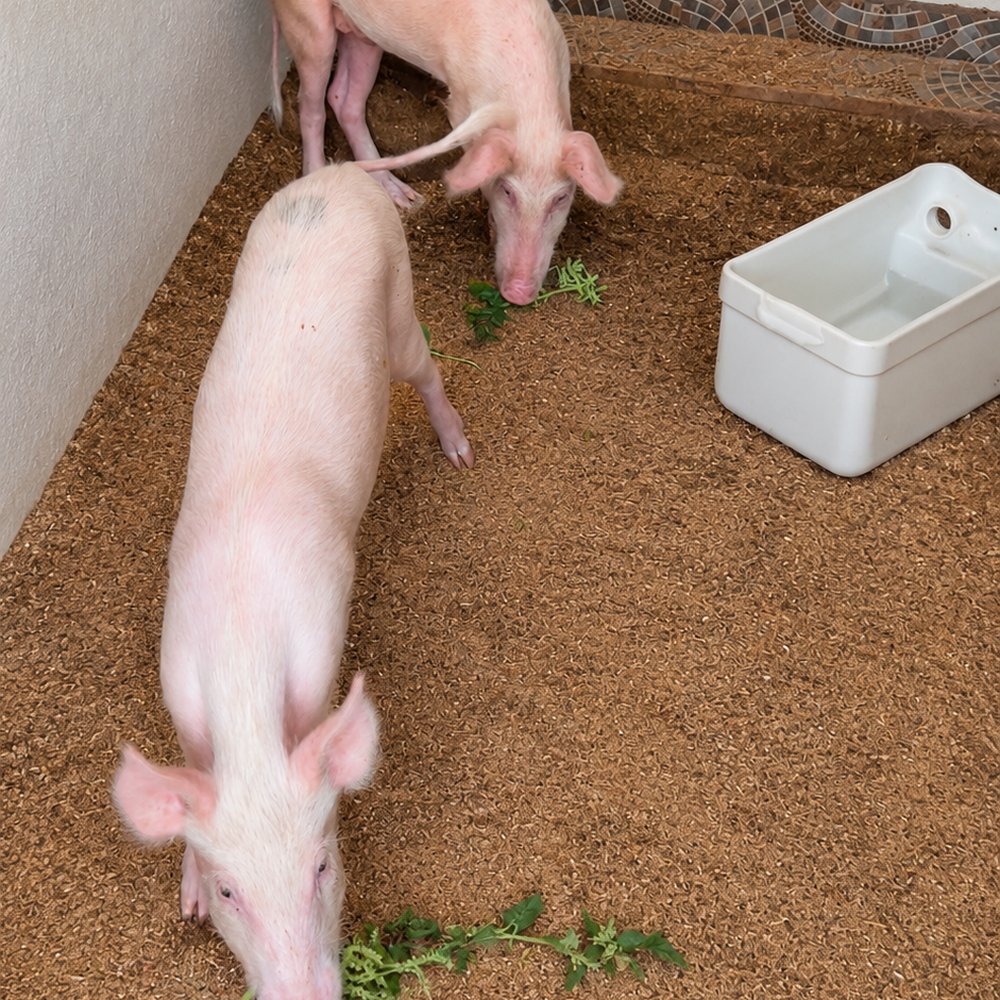
Pigs in a deep litter pen, one part of the farm's animal unit

Animals

Our livestock unit uses the deep litter system, a low-cost, sustainable way to raise poultry and small ruminants. Animal waste is composted on site and used to feed the gardens and fish pond.
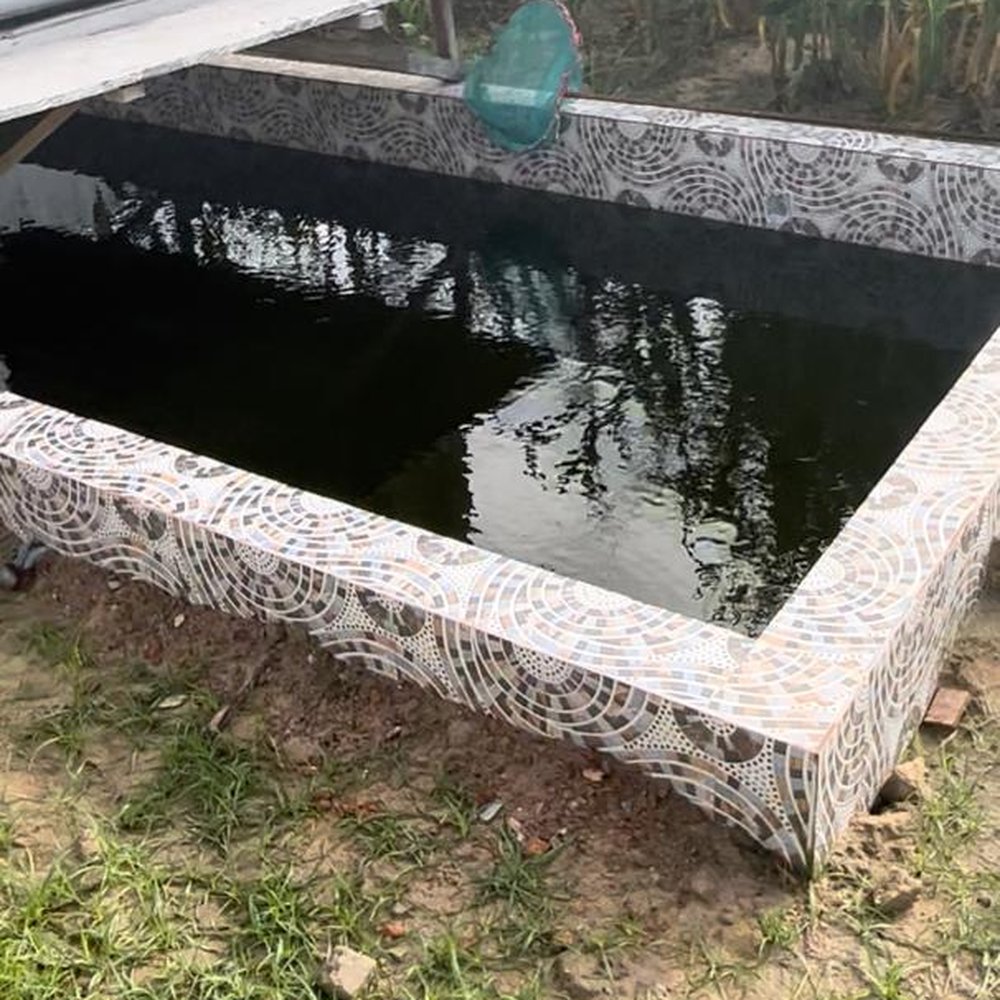
A tiled tilapia pond on the farm, built to recycle nutrients from the animal unit

Fish

A tilapia pond sits alongside the animal unit, positioned to receive nutrient-rich water and organic matter, cutting down on the need for external feed.
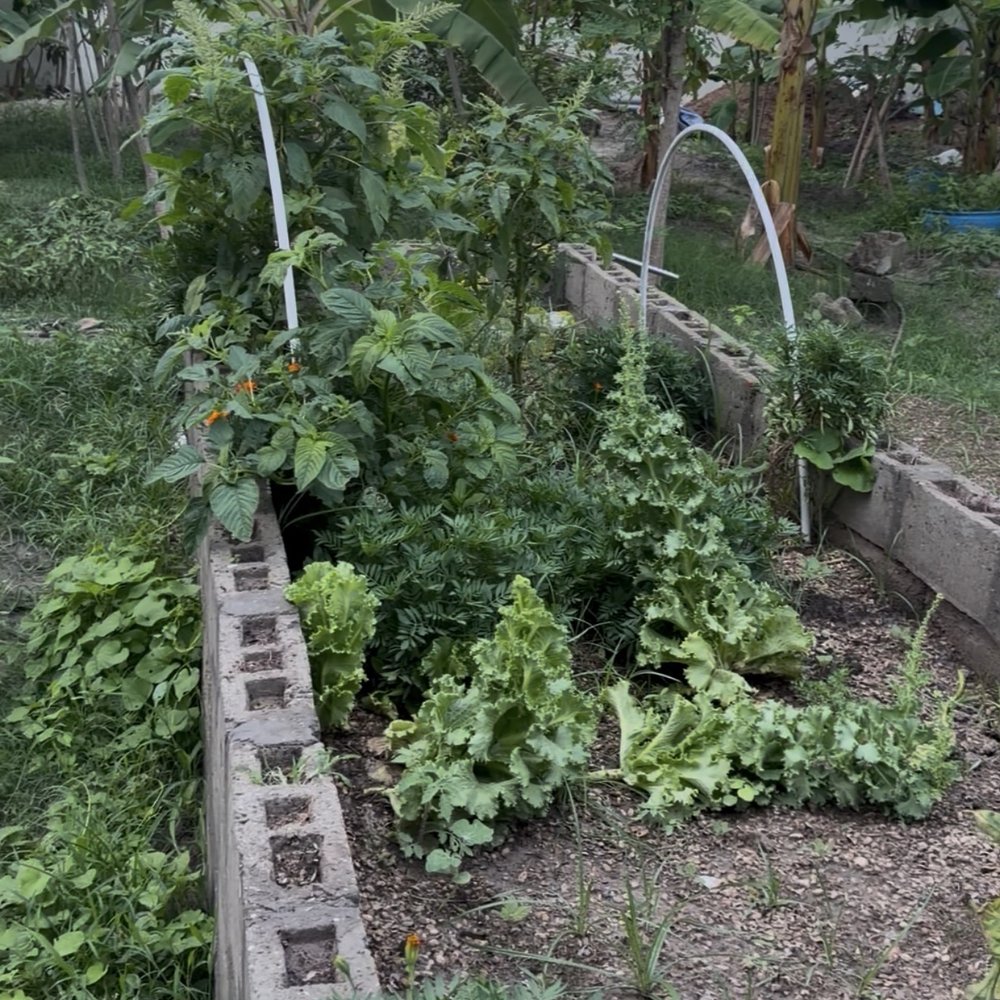
A raised vegetable and herb garden bed on the farm

Gardens

Vegetables and herbs are grown using compost and water cycled from the animal and fish systems, producing food for households and income from what's sold at market.

Who we train

Practical skills, learned by doing.

Deep litter animal management
Tilapia farming, from pond construction to harvest
Integrated farm design
Composting and soil health
Agribusiness and marketing
Women and youth in agriculture

Over the years, we estimate we've trained several hundred farmers, youth, and community members in these methods, through informal sessions, farm visits, and hands-on demonstrations. We haven't kept formal attendance records for this earlier work, but it's been a steady, ongoing part of what the farm does.

Why it matters

Skills that stay with a family for good.

A farm like this reduces a household's dependence on buying food or expensive chemical inputs, and it gives people a set of skills they keep for good. It's also the same practical, learn-by-doing approach we now bring to children through Smiling Seedlings, and to families through the Strides Bridge Programme.